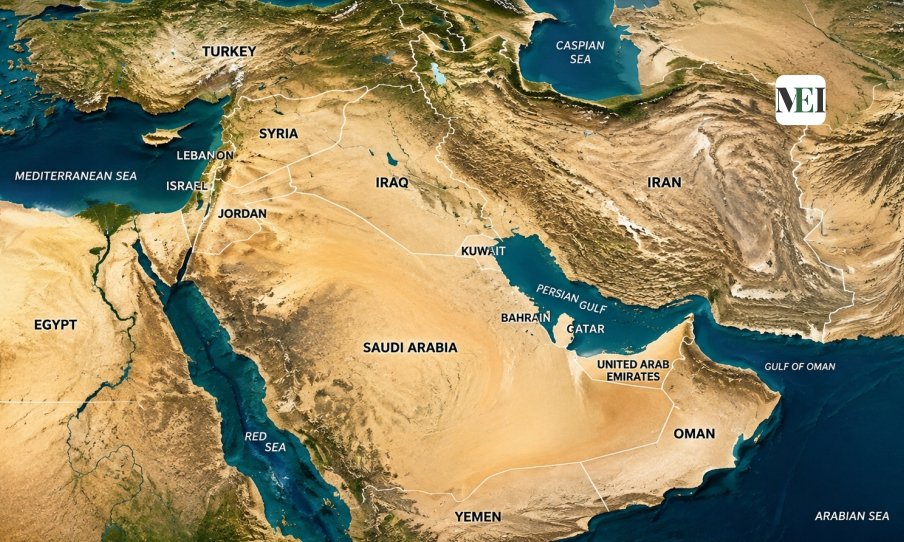
The world is currently faced with a new era of changing geopolitical and financial forces. It is hard to predict where the world’s economy and cultures will develop; however, one thing is clear – the middle east countries are playing an increasingly important role in the modern world. This region is strategically located in the heart of Europe, Asia, and Africa. Moreover, the middle east countries have always been abundant in natural resources. Nevertheless, today, these nations are actively working to diversify their economies and establish themselves as major economic and political players on the global stage. Understanding what is happening in the modern middle east is essential to understanding where the world is going. And now, let us take a closer look at the trends currently taking place in the middle east region countries.
The middle east countries used to be largely dependent on fossil fuels for their economy. Even though an abundance of oil and gas resources provided the nations of the middle east with wealth, diversifying the economy was seen as a necessary condition for long-term economic stability. The middle east countries are investing billions of dollars in the development of other industries, such as technology, logistics, finance, and renewable energy. Popular tourist destinations are also being built in the countries of the middle east. All this is being done to ensure that the middle east remains an economically viable region even when the prices for hydrocarbons stop being a driving force of the global economy.
Cultural Rebirth and Global Tourism
Beyond the balance sheets and fiscal policies, a rich tapestry of heritage and artistic expression is redefining how outsiders view the middle east countries. This region houses some of the oldest civilizations on Earth, and there is a renewed commitment to preserving and showcasing this history to the world. Cities that were once viewed strictly as corporate transit hubs have successfully evolved into world-class cultural capitals. Museums of international stature, high-profile art biennials, and global sporting spectacles are now regular features across various middle east countries. This cultural revival serves a dual purpose, as it fosters deep national pride among the local populations while simultaneously dismantling outdated stereotypes abroad. By positioning themselves as open, vibrant hubs of art and entertainment, these nations are ensuring that travel and tourism become permanent pillars of their long-term growth models.
Navigating Modern Geopolitical Challenges
The journey toward progress is rarely a straight line, and the middle east countries continue to navigate an incredibly complex web of regional and international politics. Balancing rapid internal modernization with external security pressures requires sophisticated diplomatic finesse. Because this region sits on vital maritime chokepoints that facilitate a massive percentage of global trade, any local instability has immediate worldwide repercussions. Consequently, leadership across the middle east countries is increasingly focusing on building regional alliances, brokering peace agreements, and positioning themselves as crucial mediators in international conflicts. By focusing on cross-border economic interdependency, such as shared transport corridors and joint infrastructure projects, the middle east countries are working hard to create a more stable, predictable environment that can attract sustained foreign direct investment.
Shaping the Future of Global Innovation
As we look toward the horizon, it becomes clear that the impact of the middle east countries extends far beyond their geographical borders. Whether through the development of revolutionary smart cities built from scratch in the desert or through massive investments in global tech startups via sovereign wealth funds, their influence is reshaping tomorrow. The transition away from a pure commodity-based model has turned the middle east countries into dynamic testing grounds for cutting-edge technologies, including advanced artificial intelligence, sustainable desalination, and massive solar arrays. By boldly investing today’s resources into tomorrow’s innovations, the middle east countries are guaranteeing their position as central players in the global economy for decades to come.