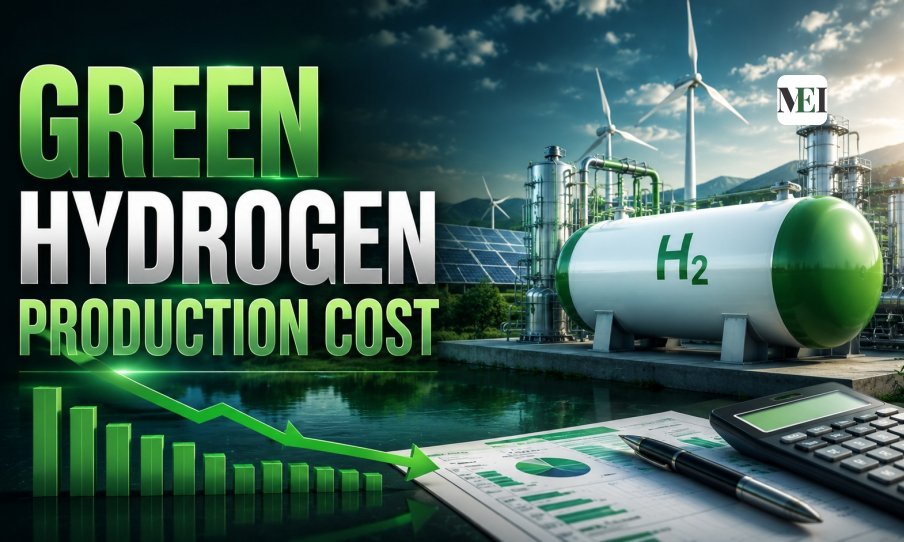
The transition to clean energy has placed hydrogen at the focal point of the global energy race. The difference between conventional and green hydrogen lies in the production process. While the former relies on fossil fuels, the latter is generated by water electrolysis using renewable energy sources. The latter’s appeal is obvious given the urgent need to leave behind carbon-intensive energy sources.
But what is the most compelling reason for pursuing it? The most significant barrier to widespread adoption of green hydrogen is the costs associated with production. Authorities, private entities, and researchers are all trying to find ways to make it cheaper and, therefore, more desirable. Experts predict that costs associated with producing green hydrogen will decrease significantly in the near future, which explains why they are so high at the moment.
Factors Affecting the Cost of Producing Green Hydrogen
A few key elements determine the cost of producing green hydrogen. One of these is electricity since the electrolysis process consumes a lot of energy. The price of electricity can account for over 50% of the final price of hydrogen. It makes geographical location as an essential factor. The better the renewable energy source is available, the cheaper it will be to produce hydrogen.
Electrolyzer technology also plays a critical role. Modern electrolyzers are becoming increasingly efficient, requiring less electricity to produce the same quantity of hydrogen. As manufacturing scales up and equipment becomes standardized, installation and maintenance expenses are expected to decrease.
Another important consideration is the price of water purification and treatment. While electrolysis itself requires relatively small amounts of water, maintaining high purity standards adds to operational costs. Infrastructure for transporting and storing hydrogen also contributes to the overall expense because hydrogen requires specialized pipelines, compression systems, or liquefaction technologies.
Government incentives further influence green hydrogen production cost. Tax credits, production subsidies, and research funding can significantly reduce financial barriers for producers. Countries implementing supportive hydrogen policies are already witnessing increased investment and faster commercialization.
Technology and Scale Are Reshaping the Economics
The hydrogen industry is following a familiar path seen in solar panels and wind turbines. Initially expensive technologies often become dramatically cheaper as production scales and innovation accelerates. Large manufacturing facilities reduce equipment costs through economies of scale, while competition encourages technological improvements.
Advancements in electrolyzer materials have improved durability and efficiency. Researchers are exploring catalysts that reduce reliance on expensive precious metals while maintaining high performance. These innovations help lower capital expenditures and improve long-term operational efficiency.
Renewable energy integration is another important driver. Solar and wind generation costs have fallen considerably over the past decade, enabling hydrogen producers to access cleaner electricity at lower prices. Since electricity represents the largest operating expense, declining renewable costs directly improve project economics.
Digital monitoring systems and artificial intelligence are also optimizing hydrogen production plants. Predictive maintenance reduces downtime, while advanced energy management systems maximize electrolyzer utilization during periods of low electricity prices. Together, these developments steadily reduce green hydrogen production cost and improve investment returns.
As more countries establish hydrogen hubs and industrial clusters, shared infrastructure further lowers expenses. Common storage facilities, transportation networks, and export terminals distribute capital costs across multiple projects, making hydrogen production more economically viable.
Why Lower Costs Matter for Global Industries
Affordable hydrogen has implications far beyond electricity generation. Heavy industries such as steel, cement, fertilizers, and chemicals require high-temperature processes that cannot always rely solely on renewable electricity. Hydrogen offers an alternative fuel capable of reducing carbon emissions without sacrificing industrial productivity.
Transportation also stands to benefit. Long-haul trucking, shipping, aviation, and rail require energy-dense fuels that batteries may not efficiently provide for every application. As green hydrogen production cost continues to decline, hydrogen-derived fuels become increasingly competitive with conventional fossil fuels.
Energy security is another compelling advantage. Countries with abundant renewable resources can produce hydrogen domestically instead of depending heavily on imported oil and natural gas. This diversification strengthens national energy resilience while supporting long-term climate objectives.
Consumers may not directly purchase hydrogen today, but lower production costs ultimately influence the affordability of products manufactured using clean energy. Green steel, sustainable fertilizers, and low-carbon chemicals could become more accessible as hydrogen prices continue to fall.
The Road Ahead for Affordable Green Hydrogen
Although green hydrogen remains more expensive than conventional alternatives in many markets, the gap is steadily narrowing. Continued investment in renewable energy, improved electrolyzer efficiency, supportive government policies, and expanding industrial demand are creating favorable conditions for long-term cost reductions.
Financial institutions are increasingly supporting large-scale hydrogen projects, recognizing their potential to contribute to net-zero goals. International partnerships are also emerging to establish hydrogen trade routes, connecting regions with abundant renewable resources to countries with high energy demand.
Innovation across the entire value chain—from renewable electricity generation to storage and transportation—is expected to accelerate commercialization over the coming years. As infrastructure expands and production volumes increase, hydrogen is likely to become a mainstream component of the global energy system.
Ultimately, reducing green hydrogen production cost is not simply about making a cleaner fuel more affordable. It represents a critical step toward building a sustainable industrial economy capable of reducing emissions while meeting growing global energy demands. With continuous technological progress and supportive policy frameworks, green hydrogen has the potential to transform sectors that have long depended on fossil fuels, paving the way for a more resilient and environmentally responsible future.