Out here, time feels layered, each moment stacked like old stones in a sunbaked city. Seen too often through blurry assumptions, this place has roots that go down deep, far below today’s noise. Walk past the clamor of news reels and find life humming in alleyways, under olive trees, inside homes where stories pass hand to hand. Change moves through these lands, yes – but so does memory, steady as breath. What lives now grew from what lived long before, shaping the identity of middle east culture.
The Sacred Pillars of Hospitality and Community Life in middle east culture
Right at the heart stands something rare: a fierce commitment to making people feel welcome. To host someone goes beyond good manners – it carries weight, tied tightly to integrity and self-respect. Step inside a desert tent in Jordan or enter a modern flat atop a Dubai tower – the warmth feels just the same. Outsiders often find themselves embraced as kin, a habit shaped by ancient movement across sands and long-held beliefs alike.
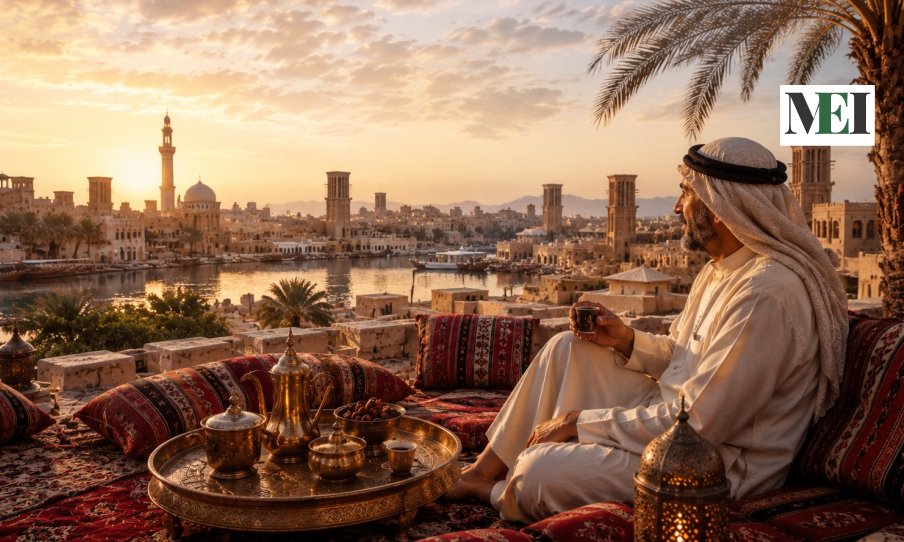
Food and drink show generosity more than anything else. Out comes the gahwa, poured slow from a bent spout of a dallah, each drop meant to honor the guest. Cups without handles appear, filled only with the right hand, never left. Refusing what’s offered cuts deep, like breaking trust before it forms. Eating together ties people in quiet agreement – peace made real through shared plates in middle east culture. Beyond walls and doors, neighbors gather when joy arrives or sorrow lands, standing close without needing words.
A Tapestry of Languages Faiths and Ancient Traditions of middle east culture
Across vast stretches where Arabic binds communities, deep differences still shape daily life. Not one single story defines this part of the world. Instead, colors come from many directions – Persian rhythms here, Kurdish voices there. History flows through tongues beyond just one dominant speech. From ancient poems to modern talk, variety stays at the core. People speaking Hebrew, Turkish, or other native forms add layers that never settle into uniformity. Culture grows richer because it does not rely on sameness.
Spirituality is another defining element that shapes daily rhythms, architecture, and legal frameworks. As the birthplace of Judaism, Christianity, and Islam, the region resonates with the sounds of church bells and the melodious call to prayer sounding five times a day. Holy cities like Jerusalem, Mecca, and Karbala draw millions of pilgrims annually, creating a constant flow of cultural exchange. Festivals such as Ramadan, Eid, and Nowruz—the Persian New Year—are not just religious observances but massive societal celebrations that bring families together across generations.
The Sensory Symphony of Art Architecture and Cuisine
To experience the creative side of middle east culture is to indulge all five senses. The architecture of the region is a masterclass in combining utility with breathtaking beauty. Traditional homes feature central courtyards designed to maximize privacy and provide relief from the intense heat, while grand mosques and palaces showcase intricate geometric patterns, mesmerizing arabesques, and sweeping calligraphy. Because traditional Islamic art avoids depicting human forms, artists perfected abstract designs that mirror the infinite nature of the universe.
The culinary arts tell a parallel story of trade, geography, and conquest. The regional cuisine is a flavorful journey marked by the aromatic use of cumin, cardamom, sumac, and za’atar. From the slow-cooked stews of Iran to the vibrant meze platters of Lebanon, food is an art form meant for sharing. Saffron-infused rice, tender grilled meats, and honey-drenched pastries like baklava are passed around large tables, reinforcing the idea that a meal is an experience, never just sustenance within middle east culture.
Navigating the Dynamic Balance of Past and Future of middle east culture
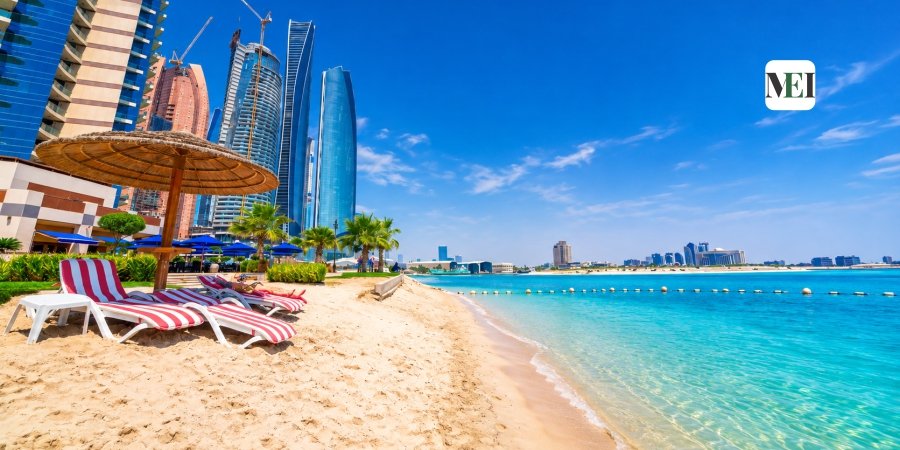
Today, the region stands at a fascinating crossroads where ancient customs meet hyper-modernity. Cities like Doha and Riyadh are transforming into global hubs of technology, art, and commerce, featuring futuristic skylines that contrast sharply with ancient mud-brick forts. The younger generation is highly connected and tech-savvy, driving innovations in music, digital art, and cinema while fiercely protecting their heritage.
This evolution shows that middle east culture is not a static relic of history, but a living, breathing entity. Women are taking on unprecedented roles in governance and business, and contemporary artists are blending traditional calligraphy with modern graffiti to express new social realities. In this dynamic environment, the ancient souk and the mega-mall coexist peacefully. The region continues to redefine itself on its own terms, proving that a society can embrace the future without losing its grip on the traditions that gave birth to middle east culture.