Behavioral health has become one of the most important pillars of modern healthcare as growing awareness around autism, developmental disorders, and mental well-being continues to reshape how societies support children and families. Today’s leaders are moving beyond traditional models of care, recognizing that lasting progress depends not only on clinical expertise but also on compassionate leadership, strong operational systems, and meaningful partnerships with families.
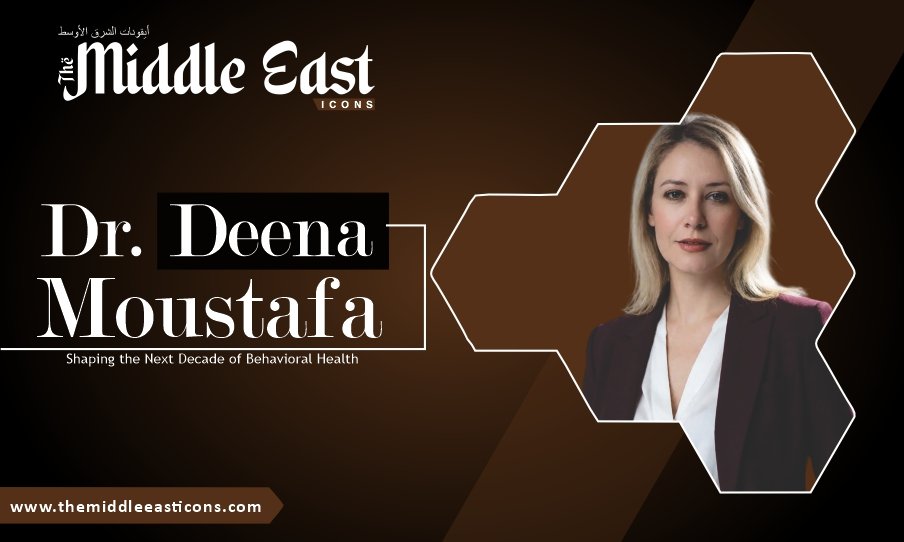
Among the leaders advancing this vision is Dr. Deena Moustafa, Founder and CEO of Go Behavioral and a Board-Certified Behavior Analyst (BCBA). Throughout her career as a clinician, educator, and organizational leader, she has remained committed to improving the lives of children through individualized, evidence-based care delivered with compassion and integrity. In 2018, she founded Go Behavioral with a clear purpose: to create an organization where families could find not only high-quality clinical services but also trust, respect, and unwavering support. Under her leadership, the organization has grown into a client-centered practice that celebrates every child’s unique strength while empowering parents to become active partners in their child’s progress. Guided by a philosophy that blends clinical excellence with collaboration and genuine care, Dr. Deena Moustafa continues to shape a future where behavioral healthcare is more inclusive, sustainable, and centered on the people it serves.
A Mission Rooted in Every Child’s Potential
Dr. Deena Moustafa’s journey into behavioral health, autism care, and inclusive education has been guided by a belief that has remained constant throughout her career: every child deserves access to individualized, evidence-based support delivered with dignity, compassion, and accountability. Rather than viewing intervention as a collection of isolated services, she has always focused on creating systems that can deliver meaningful outcomes consistently and sustainably.
Her work extends well beyond clinical practice. It is built around strengthening the entire ecosystem that surrounds a child. By bringing together Applied Behavior Analysis, family coaching, interdisciplinary collaboration, staff development, quality assurance, and data-informed decision making, she has helped organizations establish models of care that are both effective and sustainable. She believes that lasting progress is achieved when clinical expertise is supported by strong operational practices and a culture committed to continuous improvement.
Watching children develop stronger communication skills, greater independence, social confidence, and meaningful relationships continues to reinforce the purpose behind her work. Those transformations, however, are never viewed in isolation. Dr. Deena Moustafa considers parents and caregivers to be indispensable partners whose involvement often shapes a child’s long-term success. Supporting families with knowledge, confidence, and practical guidance is, in her view, just as important as supporting the children themselves.
Measuring Success Beyond Clinical Outcomes
Success, according to Dr. Deena Moustafa, cannot be measured solely through individual achievements or organizational growth. It is reflected in the strength of the systems that continue creating positive outcomes long after they have been established. Lasting impact comes from building models of care that remain consistent, ethical, and capable of serving families across different stages of a child’s development.
She believes meaningful success begins with individualized, evidence-based care that respects the unique needs of every child. Effective intervention requires far more than clinical expertise. It depends on coordinated teamwork, continuous staff development, quality assurance, family engagement, and informed decision making supported by reliable data. When these elements work together, organizations become capable of delivering measurable and sustainable results.
Children reaching important developmental milestones remain among the most rewarding indicators of success. Improved communication, stronger social participation, greater independence, and increased confidence all reflect the effectiveness of well-designed support systems. Yet Dr. Deena Moustafa believes these achievements become even more meaningful when families feel empowered to continue that progress beyond therapy sessions.
She also views organizational excellence as an essential part of successful healthcare delivery. Strong governance, financial responsibility, transparent leadership, and investment in professional development create stability that benefits both clinicians and the families they serve. High-quality clinical services cannot thrive without equally strong operational foundations.
Unlocking a New Era of Behavioral Health in the Middle East
Dr. Deena Moustafa sees the Middle East is entering a defining phase in the evolution of behavioral health. Growing awareness of autism, developmental disorders, and mental health presents an opportunity to replace fragmented services with integrated, sustainable systems that deliver better outcomes for children and families.
She believes the region can strengthen care by combining Applied Behavior Analysis, family coaching, multidisciplinary collaboration, workforce development, quality assurance, and evidence-based decision making. Such an approach improves both clinical outcomes and organizational sustainability.
Family involvement remains central to her vision. She sees parents as essential partners whose guidance, education, and active participation help children continue progressing beyond structured interventions while building stronger, more confident communities.
Dr. Deena Moustafa also believes the future depends on ethical leadership, continuous learning, and collaboration across healthcare, education, government, and academia. By investing in skilled professionals, responsible innovation, and shared knowledge, the Middle East can build inclusive behavioral health systems that create lasting benefits for future generations.
Innovation with Purpose
Dr. Deena Moustafa considers the next decade will be shaped not by technology alone but by how responsibly it is integrated into behavioral healthcare. She sees the greatest progress coming from combining scientific research, digital tools, and collaborative care to make services more accessible, personalized, and effective for children and their families.
Technology, she believes, can strengthen clinical decision making, improve care coordination, and support more consistent, evidence-based interventions when paired with reliable data and practices such as Applied Behavior Analysis.
Beyond technology, Dr. Deena Moustafa sees workforce development, continuous professional learning, and interdisciplinary collaboration as equally important drivers of progress. She also considers family engagement essential, with digital learning platforms and parent coaching helping families reinforce progress beyond clinical settings. In her view, innovation should strengthen human relationships, creating more connected and effective systems of care.
Where Compassion Meets Operational Excellence
Dr. Deena Moustafa has always believed that compassion and operational excellence are not competing priorities but complementary strengths. Delivering exceptional care requires both genuine human connection and well-designed systems that ensure consistency, accountability, and long-term sustainability.
Every interaction with a child and family begins with empathy. Understanding individual needs, respecting each family’s journey, and creating an environment built on trust remain central to her approach. Compassion shapes the experience of care, while structured clinical processes ensure that every child receives high-quality, evidence-based intervention regardless of circumstances.
Operational excellence, in her view, creates the stability that allows compassionate care to flourish. Strong governance, quality assurance, staff development, transparent leadership, and responsible financial management provide organizations with the foundation needed to maintain high clinical standards while expanding access to services.
Dr. Deena Moustafa also believes that investing in professionals is an investment in the families they serve. Continuous learning, interdisciplinary collaboration, and ongoing mentorship help clinicians refine their skills while creating a culture where accountability and innovation coexist with empathy and respect.
This balanced approach allows organizations to deliver measurable outcomes without losing sight of the individuals behind every statistic. By combining clinical excellence with operational discipline, she believes behavioral health providers can create lasting value for children, families, professionals, and the wider community.
Building Stronger Families Through Meaningful Partnership
Dr. Deena Moustafa finds lasting progress begins when families become active participants in a child’s developmental journey. Parents and caregivers spend the most time with their children, making their involvement one of the strongest predictors of long-term success. Supporting families is therefore not an additional service but an essential part of effective behavioral healthcare.
Her approach focuses on equipping parents with practical knowledge, confidence, and strategies they can apply in everyday life. Through family coaching, regular communication, and collaborative planning, parents become partners who understand both the goals of intervention and the steps needed to reinforce progress beyond clinical sessions.
She also believes that successful partnerships are built on trust and transparency. Families should feel heard, respected, and involved in important decisions throughout the care process. Open communication allows clinicians and parents to work toward shared objectives while adapting interventions to meet each child’s changing needs.
Empowering families also requires organizations to create systems that encourage collaboration across disciplines. Clinicians, educators, therapists, and support teams all contribute valuable perspectives, allowing families to receive coordinated guidance rather than fragmented advice. This integrated approach creates greater consistency in a child’s learning and development across different environments.
Leading Through Complexity with Integrity
Dr. Deena Moustafa notes that the greatest challenge of leadership has never been managing growth but preserving purpose while organizations evolve. Expanding services, building larger teams, and responding to increasing demand require difficult decisions, yet she has learned that sustainable progress is possible only when values remain unchanged.
Throughout her career, she has focused on creating systems rather than short-term solutions. Balancing clinical excellence with operational efficiency has required careful planning, strong governance, and a willingness to continually improve. Every stage of growth has reinforced her belief that organizations succeed when leadership remains transparent, accountable, and committed to delivering consistent, high-quality care.
Working alongside children and their families has also shaped her leadership philosophy. Witnessing the life-changing impact of ethical, evidence-based intervention serves as a constant reminder that every organizational decision ultimately affects real people. This perspective encourages thoughtful leadership where quality is never compromised for rapid expansion.
She believes resilience is built through collaboration rather than individual achievement. Encouraging interdisciplinary teamwork, investing in staff development, and creating an environment where learning never stops have become essential parts of her leadership approach. Strong organizations are built by developing capable professionals who share a common vision and sense of responsibility.
Investing in People to Strengthen Care
Dr. Deena Moustafa believes exceptional organizations are built by developing exceptional professionals. Clinical expertise is only the beginning of a successful career in behavioral health. Continuous learning, mentorship, and practical experience allow professionals to grow into confident leaders capable of delivering meaningful outcomes for children and families.
Her approach to mentoring begins with creating an environment where learning is encouraged every day. Ongoing training, constructive feedback, interdisciplinary collaboration, and exposure to evidence-based practices help professionals strengthen both their clinical and leadership capabilities. She believes that growth becomes sustainable when individuals feel supported while also being challenged to reach higher standards.
Accountability is another important part of professional development. Dr. Deena Moustafa encourages teams to make decisions based on reliable data, measurable outcomes, and ethical practice while remaining open to new research and evolving methods. This balance between responsibility and continuous improvement creates professionals who are both confident and adaptable.
She also believes leadership should be developed at every level of an organization rather than being limited to senior roles. Empowering individuals to contribute ideas, solve problems collaboratively, and take ownership of their work builds stronger teams while creating a culture of trust and shared purpose.
A Shared Responsibility for Lasting Change
In Dr. Deena Moustafa’s view, the future of behavioral health is built on strong partnerships that bring together healthcare, education, policymakers, and communities. Healthcare providers, educators, policymakers, universities, and community organizations each contribute unique expertise, and lasting solutions emerge when these strengths are brought together around a common purpose.
She envisions stronger collaboration beginning with shared goals focused on improving outcomes for children and supporting families. Clinical services, educational programs, and public policy should complement one another, creating seamless pathways where children receive consistent support across healthcare settings, schools, and their communities.
Workforce development also represents a major opportunity for collaboration. Partnerships between universities, healthcare organizations, and government agencies can help prepare the next generation of professionals through high-quality education, practical training, and ongoing professional development. Building a skilled workforce is essential to meeting the growing demand for specialized behavioral health services.
Dr. Deena Moustafa also believes responsible innovation should be guided by collective expertise. Sharing research, adopting technology thoughtfully, and using reliable data to inform policy can improve access while maintaining high standards of care. Collaboration allows organizations to learn from one another and implement solutions that are both effective and sustainable.
The Leadership Blueprint for Tomorrow
Dr. Deena Moustafa sees the next generation of leaders will be defined less by authority and more by their ability to create meaningful and lasting impact. In behavioral health and education, leadership is no longer limited to managing organizations. It involves building systems that remain effective, ethical, and responsive to the changing needs of children, families, and communities.
She considers integrity, transparency, and accountability to be the foundation of effective leadership, helping organizations earn trust while delivering consistent, high-quality care. Continuous learning is equally important, with future leaders needing the curiosity and adaptability to embrace new research and evidence-based practices.
Dr. Deena Moustafa also trusts collaboration will define successful leadership. Bringing together clinicians, educators, policymakers, researchers, and communities creates stronger solutions than working independently. By combining diverse expertise with a shared commitment to improving lives, leaders can build more resilient and inclusive systems for future generations.
Advocating for Equal Access Through Policy
If given the opportunity to influence one policy, Dr. Deena Moustafa would advocate for equitable access to high-quality, evidence-based behavioral health and autism services for every child, regardless of background or financial circumstances. She believes early intervention should be treated as a fundamental investment in society rather than a privilege.
Her vision extends beyond expanding clinical services. It includes stronger collaboration between healthcare providers, educators, governments, universities, and communities to create integrated systems that provide consistent support throughout a child’s development.
Dr. Deena Moustafa also believes long-term policy should prioritize workforce development, professional training, responsible use of technology, and evidence-based practices. By strengthening these areas, healthcare systems can improve accessibility, maintain high standards of care, and create more inclusive opportunities for children and their families.
Creating a Legacy That Lives Through Others
When reflecting on the legacy she hopes to leave behind, Dr. Deena Moustafa speaks less about personal recognition and more about lasting transformation. Her greatest aspiration is to help build systems that continue improving children’s lives long after her own direct involvement has ended.
Throughout her career, she has focused on creating sustainable models of care grounded in evidence, compassion, and accountability. She hopes to be remembered for helping organizations combine clinical excellence with strong leadership, effective governance, and operational discipline, ensuring that quality services remain accessible as communities continue to grow.
Equally important is the impact she hopes to leave on families and professionals. Empowering parents with knowledge and confidence, while mentoring clinicians and future leaders, creates a ripple effect that extends well beyond individual programs. Every professional who delivers ethical, high-quality care and every family that feels supported contributes to a stronger and more inclusive future.
Dr. Deena Moustafa also hopes her work encourages greater collaboration across healthcare, education, research, and public policy. She believes meaningful progress becomes possible when institutions share knowledge, invest in people, and work toward common goals rather than operating independently.