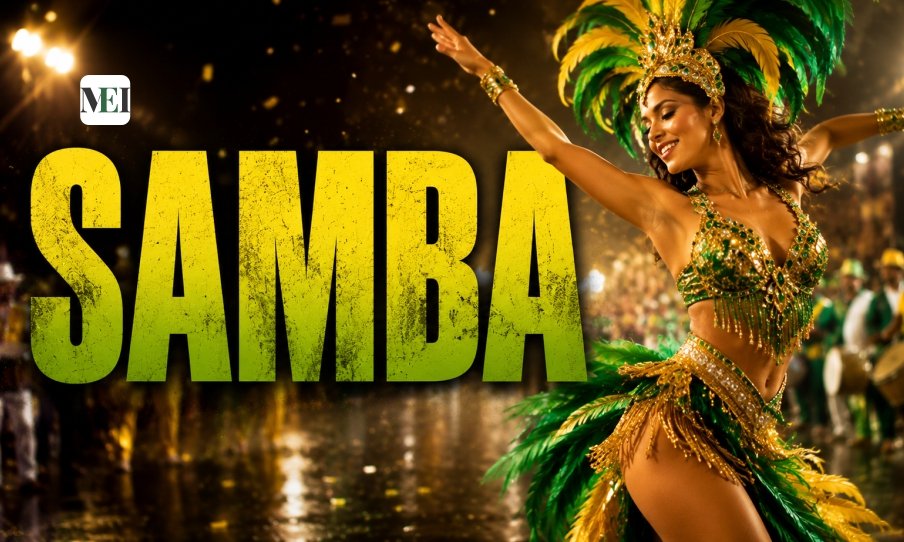
Samba is the Brazilian rhythm created by the 2/4 time, fast steps, and shaking hips. But there is much more to this dance than meets the eye. This performance is famous all over the world for being a part of Brazil’s cultural heritage and being present during the Carnival festivities. However, samba has a deep history behind it, dating back to the beginning of the 20th century. It was the sound of resistance and freedom for the Brazilian people, and to this day, it represents Brazil’s cultural essence. It is impossible to imagine modern Brazil without samba. This dance has gone a long way from being an informal part of rural folklore to becoming an integral part of national identity and one of the most well-known performances in the world. But what details of history have made samba what it is today? What role did this dance play in the lives of ordinary people? Let’s dive into the past to understand the significance of this cultural phenomenon for the people of Brazil.
The Origins and Early Development of Samba
Samba has its roots deeply embedded in the traditions of Brazil’s African slaves. Early on, this dance was strictly connected with folk rituals and was performed to communicate with Gods. It became was a way for oppressed people to express their identity and remember their African roots. The first rural samba, also called samba de roda, originated in the Bahia state. It is still popular there and has been included in the UNESCO’s Intangible Cultural Heritage list. This traditional style is a symbol of freedom and equality. The dance was performed throughout the night by men and women who gathered in the fields and woods to the rhythm of drums. Samba de roda music and dance have always been an inseparable part of local folklore culture.
The shift occurred as the first urban musicians and dancers started mixing the dance’s rural and traditional elements with new sounds, making it recognizable all over the country. In the early 20th century, the dance began to boom in Rio de Janeiro’s working-class districts. It was Estácio that became the epicenter of early urban samba. At that time, samba was considered deviant, criminalized, and suppressed. Nevertheless, it remained a popular dance for working-class people. Eventually, urban samba turned into a prestigious and celebrated art form known all around the world.
The Grand Spectacle of Carnival and Community Pride
The spectacular, globally televised Brazilian Carnival is largely built around community-based “samba schools”. These institutions are far more than simple rehearsal spaces or performance groups; they function as vital neighborhood centers that provide social services, employment, and educational opportunities throughout the year. Organizations in neighborhoods across Rio de Janeiro—such as Estácio and Madureira—dedicate months to designing elaborate floats, creating costumes, and composing songs. The preparation is intense, demanding absolute dedication from thousands of community members who view the annual celebration as their primary platform for artistic storytelling.
When the festival season finally arrives, the streets transform into a massive theater of rhythm and light. During Carnival, these schools parade down the Sambadrome, competing for the championship title while showcasing the rich history and soul of Afro-Brazilian culture. Each school selects a specific historical or social theme, translating complex narratives into visual pageantry and lyrical poetry. As the massive processions move through the stadium, the explosive energy of samba unites performers and spectators in a shared moment of euphoria, proving that this annual competition is a profound celebration of identity rather than a mere tourist attraction.
The Rhythmic Architecture and Global Interpretations
The unmistakable rhythm is driven by traditional percussion instruments, most notably the surdo (bass drum), tamborim, and the friction drum known as the cuíca. The surdo provides the deep, thumping heartbeat that anchors the entire performance, while the tamborim adds sharp, syncopated accents that drive the momentum forward. The unique, laughing sound of the cuíca gives the music its distinct emotional flavor, balancing joy with a subtle undercurrent of longing. Together with the stringed cavaquinho, these instruments create a complex polyrhythmic layer that compels the human body to move instinctively.
This sonic foundation has given rise to diverse physical expressions that transcend national borders. While you might immediately picture the high-energy solo or group samba seen during parades, there are also various partner styles, such as samba de gafieira and international ballroom samba. The ballroom variant adapted the wild, syncopated street rhythms into structured steps suitable for international competitions, while the traditional styles retained their fluid, improvised nature. No matter the setting—whether it is a sophisticated dance hall in Europe or a dusty street corner in Rio—the foundational spirit of samba remains recognizable, bridging cultural divides through the universal language of rhythm.
A Modern Legacy of Survival and Global Influence
In the contemporary era, this artistic phenomenon continues to adapt and thrive without losing its historical soul. Modern musicians regularly blend the traditional percussion arrangements with contemporary genres like jazz, funk, and hip-hop, creating innovative sub-genres that appeal to younger generations. This constant evolution ensures that the art form remains a living, breathing art form rather than a stagnant museum piece preserved only for tourists. It continues to be heard in the small neighborhood gatherings known as rodas de samba, where people gather around tables to sing classic anthems, keeping the oral traditions alive.
Ultimately, the global impact of this cultural treasure underscores the power of art born from struggle. What began as a marginalized ritual in the plantations of Bahia has grown into an international symbol of celebration and artistic excellence. The worldwide fascination with Brazilian tradition proves that its core message of resilience, community solidarity, and unyielding joy resonates across every continent. As long as the drums continue to beat and the dancers continue to move, this magnificent tradition will remain a testament to the enduring power of the human spirit to find beauty and triumph in the rhythm of life.