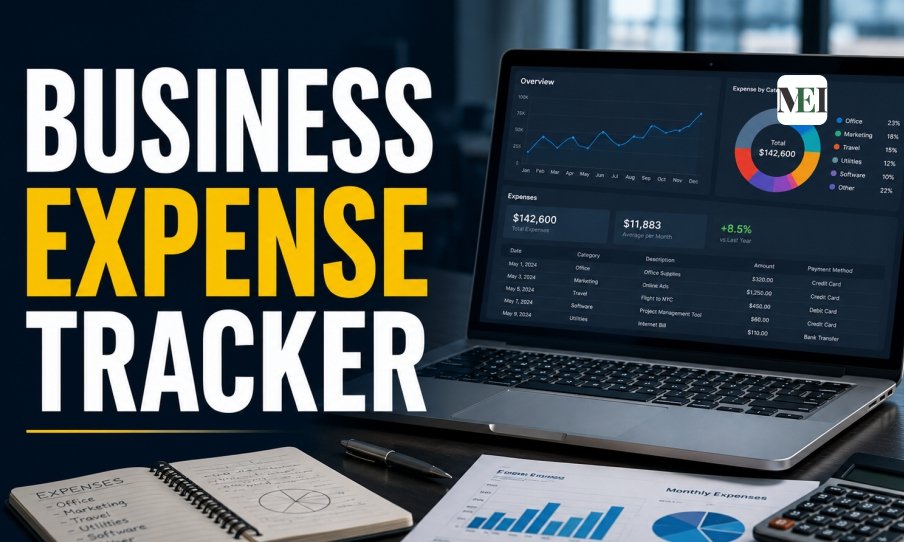
Managing finances is one of the most critical functions of every business owner. This is regardless of the size of the company. In fact, proper tracking of expenses leads to improved profitability for a firm. Therefore, it is essential to invest in a business expense tracker because it allows the company to stay on top of its finances. The tool can be useful for startups, small, and medium businesses. A good expense tracker enables firms to organize their expenditures, control what is spent, and avoid paying unnecessary amounts of money. Moreover, it can facilitate tax preparation and help eliminate the need to print invoices.
Reasons Why Every Business Needs a Business Expense Tracker
Every company has to spend some money on supplies, reimbursements, travel, and utilities. However, failing to organize expenses makes it difficult to monitor what a firm spends and on what. Therefore, when a business owner invests in a business expense tracker, it will help them track expenditures.
Expenditure tracking helps business owners to have an accurate overview of their cash flow. It also helps them stay within the budget and have control of their finances. Moreover, with an expense tracker, businesses can organize their expenses effortlessly. This makes it easier to generate financial reports and prepare taxes when needed. This eliminates the need to search for receipts and invoices when compiling reports.
Key Features That Improve Financial Management
A reliable business expense tracker offers several features that simplify financial management. One of the most valuable functions is automatic expense categorization. Instead of manually sorting transactions, the software classifies expenses into categories such as travel, marketing, utilities, payroll, or office supplies. This saves time while improving reporting accuracy.
Another useful feature is digital receipt management. Users can upload receipts through a mobile app, eliminating the risk of losing important documents. Many tracking tools also integrate with accounting software and business bank accounts, allowing transactions to sync automatically. This reduces manual data entry and minimizes errors.
Real-time reporting is another advantage. Business owners can instantly review spending trends, monitor department budgets, and generate financial summaries. This visibility allows them to make proactive decisions instead of reacting to financial problems after they occur.
Benefits of Using a Business Expense Tracker
Implementing a business expense tracker provides several practical benefits for businesses of all sizes. The most obvious advantage is improved financial organization. With all expenses stored digitally, finding past transactions becomes quick and convenient.
Expense tracking also supports better budgeting. By understanding where money is being spent, businesses can identify unnecessary expenses and allocate resources more effectively. This often results in increased profitability over time.
Another major benefit is tax compliance. Maintaining detailed expense records helps businesses claim eligible deductions while reducing the risk of errors during tax filing. Audits also become less stressful because supporting documents and transaction histories are readily available.
Employee expense reimbursement becomes much smoother as well. Staff members can submit expense claims digitally, while managers can review and approve them efficiently. This reduces paperwork and speeds up reimbursement processes, improving employee satisfaction and administrative efficiency.
Choosing the Right Business Expense Tracker
Selecting the ideal business expense tracker depends on the specific needs of your business. Small businesses may prioritize affordability and ease of use, while larger organizations often require advanced reporting, multi-user access, and integration with enterprise accounting systems.
When evaluating different solutions, businesses should consider features such as mobile accessibility, cloud storage, automated reporting, receipt scanning, and security measures. A user-friendly interface ensures that employees can quickly adopt the system without extensive training. Strong data encryption and secure cloud backups are also essential for protecting sensitive financial information.
Scalability is another important factor. As a business grows, its financial operations become more complex. Choosing software that can expand with your business eliminates the need to switch platforms later, saving both time and money.
Best Practices for Effective Expense Tracking
Simply using a business expense tracker is not enough to achieve the best results. Businesses should establish consistent expense management practices to maximize its value. Every business transaction should be recorded as soon as it occurs to maintain accurate financial records. Delaying entries increases the likelihood of forgotten expenses and incomplete data.
Regularly reviewing expense reports helps identify unusual spending patterns and opportunities for cost reduction. Businesses should also encourage employees to submit receipts promptly and follow clear reimbursement policies.
Integrating the tracker with accounting software streamlines bookkeeping and ensures financial information remains synchronized across systems. Periodic audits of expense records further improve accuracy while reducing the risk of duplicate or fraudulent claims. By following these practices, businesses can maintain complete financial visibility and make confident decisions based on reliable data.
Conclusion
Financial management plays a crucial role in the success of every business, regardless of its size or industry. A business expense tracker simplifies expense management by organizing transactions, improving budgeting, supporting tax compliance, and providing valuable financial insights. It reduces manual work, minimizes errors, and gives business owners greater control over their spending. Investing in the right business expense tracker is not just about recording expenses—it is about building a stronger financial foundation that supports long-term growth, operational efficiency, and smarter business decisions.