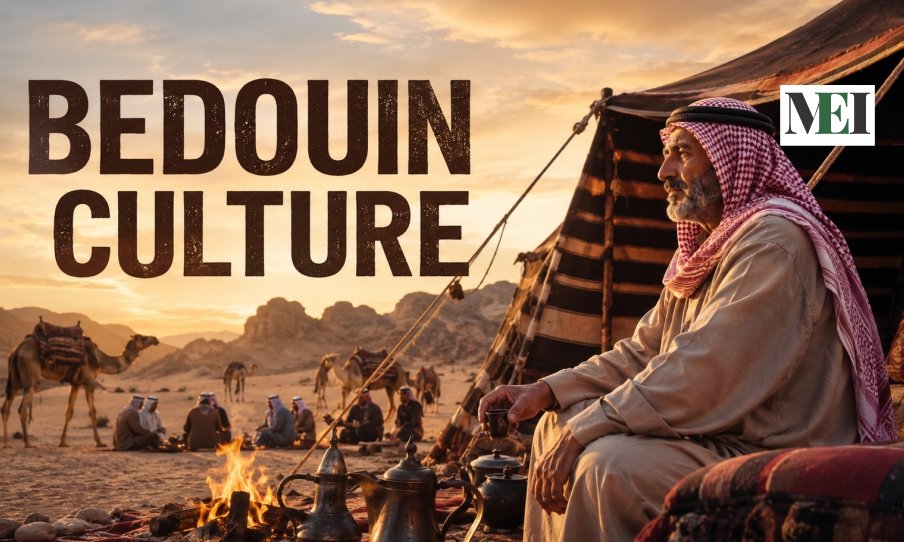
Sunlight stretches across endless desert sands where stories of survival are etched deep by time, need, because people lived here long before maps existed. Across generations, wandering groups moved through harsh spaces, building lives shaped around movement instead of walls, choosing openness rather than fixed places. Rooted in those movements is bedouin tradition – customs passed mouth to ear, rules shared under stars, ways kept alive even when cities rose far away. To grasp it fully means seeing past barren images toward insight: what looks empty holds belonging for those raised beneath wide skies without borders. The essence of bedouin culture survives because memory travels stronger than monuments, carried carefully through every generation that crosses the dunes.
The Sacred Code Of Desert Hospitality
Out there where heat cracks the earth and water hides, being alone might mean not surviving. So it came to be – offering refuge to wanderers became something deeper than habit, more like duty among the Bedouin. A visitor nears a tent under open sky, and entry is never denied, questions saved for another time. For seventy-two hours, food arrives without asking names, shelter opens without hesitation, danger stays outside. This silent rule stands firm: if the land tries to break you, a fire and a place by it will still exist somewhere. Such acts of generosity continue defining it across desert communities even today.
Right there in the middle sits the majlis, a circle under a woven shelter where people meet, talk, slowly shape bonds. Over low flames, the host burns coffee seeds, then pounds them steady in metal bowls – sound marks time like breath. Cups without handles pass hand to hand; warmth held close means trust built slow. To turn down what’s offered cuts deep – it stings, breaks quiet rules older than memory. But when palms open upward, receiving steam, it says: I walk here safe now. Rival camps once split by dust became kin through motions repeated at dawn after dawn. Hospitality remains one of the strongest foundations of bedouin culture, preserving honor and mutual respect among tribes.
The Architectural Ingenuity of Nomad Tents
Survival in a climate characterized by scorching daytime heat and freezing night temperatures requires a high level of practical ingenuity. The nomadic tribes solved this structural challenge by developing the famous black tent, known locally as the bayt al-shar. Woven tightly from coarse goat hair and camel wool by the women of the tribe, these portable structures are perfectly adapted to the changing seasons. The dark fabric naturally absorbs the intense heat of the sun during the peak of the day, creating a shaded retreat underneath. The adaptability behind these homes reflects the intelligence deeply embedded within bedouin culture.
When the rare desert rain begins to fall, the coarse fibers of the goat hair swell up tightly, effectively making the entire tent waterproof to keep the interior dry. During the hotter months of the year, the side panels of the structure can be raised or completely removed to allow any passing breeze to circulate freely through the living area. The entire home is designed to be dismantled, rolled up, and packed onto the backs of sturdy camels within a matter of hours. This architectural flexibility is a defining feature of bedouin culture, showing how physical shelters can remain deeply harmonious with the natural cycles of the earth. Even modern architects continue studying it for lessons in sustainable desert living.
The Artistic Power of Oral Traditions
Because a wandering lifestyle makes carrying heavy material possessions impractical, historical wealth was rarely measured in physical objects. Instead, the true treasures of the community were preserved in memory and expressed through the spoken word. A rich oral tradition became the primary vehicle for passing down historical events, tribal lineages, and collective wisdom from one generation to the next. Poetry, in particular, holds an incredibly elevated status in this societal structure, serving as a tool for political debate, romantic expression, and historical preservation. Storytelling remains one of the most treasured pillars of bedouin culture throughout the Arabian deserts.
Through a highly rhythmic form of spoken-word poetry known as Nabati, poets would capture the essence of daily struggles, praise the bravery of tribal leaders, and describe the profound beauty of their animals. These verses were often chanted around the evening campfire, accompanied by the soulful, single-stringed melodies of the rababa. This musical storytelling functioned as both entertainment and a living archive, keeping ancient values alive without relying on written books. Even today, the cadence of this traditional poetry remains a powerful touchstone for people looking to reconnect with their ancestral heritage. The emotional depth found in bedouin culture still inspires writers, historians, and musicians across the Middle East.
Navigating the Modern World Safely
The arrival of the twentieth century brought dramatic changes to the region, as national borders were drawn, urban centers expanded, and oil economies rapidly boomed. These massive geopolitical shifts naturally pressured many nomadic communities to settle permanently in towns and villages. While many families transitioned into modern careers, the core values of bedouin culture refused to fade away into history. Instead, the community has found creative ways to balance contemporary conveniences with their historical identity, preserving their unique legacy for the future. Younger generations continue learning the customs of bedouin culture through family gatherings and seasonal desert journeys.
Today, this heritage is celebrated through grand cultural festivals, camel racing events, and traditional falconry competitions across the Arabian Peninsula. Many families who live in modern suburban homes still maintain tents in their backyards or regularly travel deep into the dunes on weekends to sleep under the stars. This ongoing dedication demonstrates that identity is not defined by a lack of modern technology, but by a deep spiritual connection to one’s roots. By keeping these ancient customs alive, they ensure that the timeless spirit of the desert continues to guide future generations. Across changing societies, bedouin culture remains a symbol of resilience, freedom, and belonging beneath endless desert skies.