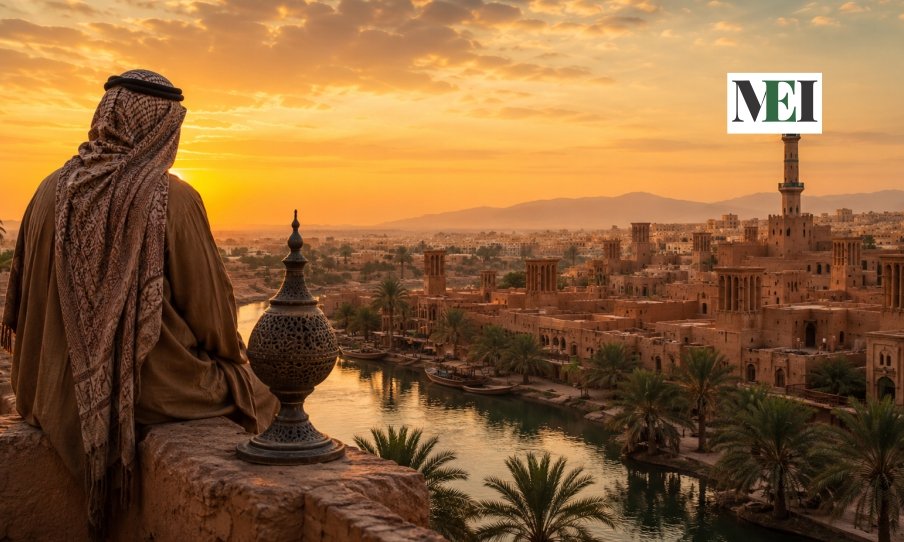
Out here under endless skies, stories older than memory still breathe. Not far beyond stone ruins and shifting sands, people keep ways that time forgot – yet live right now, fully. What you find is not frozen past but something alive, folding old songs into new days. Instead of monuments alone, there are voices – reciting verses handed down through generations. Beauty shows up in archways carved by hands long gone, yes, but also in how strangers share bread without question. This place runs on rhythms most never notice: tides of desert wind, patterns in woven cloth, silences between words spoken slowly. Its strength isn’t just survival; it’s creation amid challenge, again and again. Look close, and the present speaks dialects shaped centuries ago.
The Nomadic Heart and the Law of Hospitality
Before towers rose above the sands, days moved with the windblown dunes and searing heat. Across that terrain roamed the Bedouins – lives shaped by endurance, kinship, trust in nature’s rhythm. From such wandering grew something lasting: a fierce tradition of welcome. Survival out there meant taking in strangers without hesitation. A visitor arriving unannounced would find shade under handwoven black tents, hands extended not just in greeting but in shared breath. Food appeared – sweet dates first, then small cups of thick coffee laced with cardamom scent. Still alive today, this greeting custom shapes how people connect across the area, hospitality seen not just as habit but something honored above most things. Visitors sense it at once – the old ways breathing strong, carried forward through open doors and steady smiles.
A Legacy Written in Verse and Melody
Beyond the physical structures and social customs, the true soul of this culture is captured through its rich oral traditions. For centuries, the spoken word held more weight than stone, and poetry was the primary medium for recording history, celebrating tribal victories, and expressing deep philosophical truths. The annual poetry fairs of antiquity were monumental events where wordsmiths competed for honor, their verses eventually inscribed in gold and hung within sacred spaces. This reverence for linguistic beauty extends naturally into traditional music and dance, which serve as rhythmic expressions of historical narratives. Instruments like the oud, a soulful stringed lute, and the darbuka drum create hauntingly beautiful melodies that evoke the mystery of the desert night. Through these artistic mediums, the emotional core of arabian heritage is preserved and passed down, allowing successive generations to connect with the joys, sorrows, and triumphs of their ancestors.
Architectural Marvels and Hidden Sanctuaries
As nomadic tribes gradually settled and trading hubs flourished along lucrative incense routes, a distinct architectural identity began to emerge. The built environment was designed not only to withstand the scorching heat but also to reflect deeply held cultural and spiritual values. Master builders utilized local materials like mud brick, limestone, and coral stone to construct breathtaking fortresses, bustling marketplaces, and serene places of worship. A defining characteristic of this design philosophy is the intricate geometric patterns and mesmerizing calligraphy that adorn building facades and interiors, replacing figurative art with complex mathematical beauty. Wind towers, an ingenious ancient form of natural air conditioning, were engineered to catch mountain breezes and channel cool air into residential courtyards. Walking through these historic districts offers a tangible encounter with arabian heritage, showcasing an era where human ingenuity and aesthetic grace worked in perfect harmony with nature.
The Majestic Companions of the Desert
No exploration of this cultural legacy would be complete without acknowledging the profound relationship between the people and the animal kingdom, particularly the Arabian horse and the falcon. The Arabian horse, celebrated worldwide for its distinct head shape, high tail carriage, and legendary endurance, was bred by the nomads with meticulous care. These horses were prized for their intelligence and loyalty, often sharing tents with their owners to protect them from the elements. Similarly, falconry developed as a crucial hunting technique for supplementing the meager desert diet, evolving over time into a highly respected sport and symbol of nobility. Today, state-of-the-art veterinary hospitals and dedicated festivals ensure that these magnificent creatures remain central to the preservation of arabian heritage. They serve as living links to a proud past, reminding a rapidly modernizing society of the grace, speed, and freedom that defined their ancestral ways of life.
Harmonizing Ancient Roots with a Bold Future
In the contemporary world, the nations of the peninsula are experiencing unprecedented economic growth and technological advancement. Yet, beneath the glittering glass facades of twenty-first-century metropolises, the heartbeat of old traditions remains undeniably strong. Governments and local communities alike are investing heavily in world-class museums, cultural festivals, and historical restoration projects to ensure their roots are never forgotten. Traditional crafts, such as weaving and perfume making, are being revitalized by young entrepreneurs who infuse classical techniques with modern aesthetics. By actively celebrating and protecting arabian heritage, the region successfully anchors its identity in a rapidly changing global landscape. This delicate balance between honoring history and embracing innovation demonstrates that a society can confidently march into the future while carrying the sacred torch of its past, inspiring the world with its resilience.