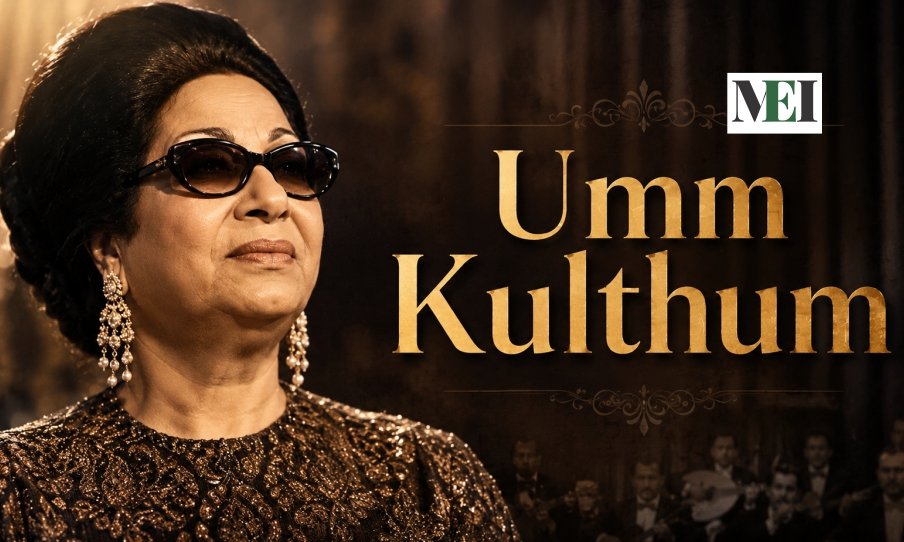
Long ago, a new kind of sound began spreading through dusty streets and crowded homes – born from the throat of a woman few expected greatness from. She came from farmlands where songs were sung at weddings and funerals, yet her voice carried beyond those walls. Not by luck, rather persistence shaped each note she delivered on radio waves that crossed deserts and cities alike. One moment might find listeners weeping under moonlit rooftops; another could stir crowds into shared chants before dawn. Time passed, yet her records still turn in hidden corners of Cairo cafes and distant apartments abroad. Her name often whispered without introduction – as if saying it once was enough forever. Power shifted across nations, borders redrew themselves multiple times, while her melodies stayed fixed in people’s minds. Even now, when silence falls during summer nights, someone somewhere begins humming what she sang decades prior. Few figures have held such quiet dominance over memory and melody both.
From humble beginnings to modern stage
From a tiny village in the Nile Delta came a girl whose voice first rang out during prayers beside her father. Not allowed on stage as a woman back then, she wore boys’ clothes just to be heard by an audience. Learning Quranic chant shaped her precise phrasing and steady breathing, traits that would define her sound. Arriving in Cairo during the 1920s, she stepped into salons where music met power and influence. Instead of sticking to old forms, she began shaping love poems into fresh melodies, working hand-in-hand with top writers and musicians who helped forge something never quite heard before.
The Art Of Tarab And The Trance In Music
It wasn’t just skill that set her apart – it was how she wielded tarab, an old idea where music pulls people into deep feeling. From live radio shows each month, voices traveled far, reaching ears from Casablanca all the way to Baghdad. One line of verse could unfold across sixty minutes, shaped anew with each breath she took. She sensed exactly when hearts shifted, circling lines again but slightly changed, bending tones almost too small to name. Listeners found themselves adrift, caught in waves built slowly through shifts no one saw coming. Nights stretched long under her control, hours fading while crowds stayed locked in shared stillness. Time didn’t matter once she began; moments blurred as attention fixed on nothing except sound.
A Cultural Ambassador and National Symbol
Beyond her artistic genius, Umm Kulthum was a formidable political and cultural force during Egypt‘s golden age. She was a close confidante of President Gamal Abdel Nasser and used her immense platform to promote Arab unity and cultural pride. Following the geopolitical crises of the late 1960s, she embarked on a massive international concert tour, donating all her performance proceeds directly to the Egyptian state treasury. Her iconic look—the elegant evening gown, the sweeping chiffon handkerchief held tightly in her hand, and her dark sunglasses—became symbols of dignity, resilience, and sophisticated Arab modernity that commanded respect on global stages.
The Enduring Legacy of the Star
When the legendary chanteuse passed away in 1975, her funeral drew over four million mourners into the streets of Cairo, a public outpouring of grief rivaled only by national leaders. Today, contemporary musicians across genres, from Western pop icons to experimental jazz artists, cite her vocal range and emotional depth as a profound source of inspiration. The timeless nature of Umm Kulthum ensures that her voice continues to echo through the cafes, taxis, and homes of the Middle East, serving as an eternal bridge between the rich traditions of the past and the evolving identity of the future.