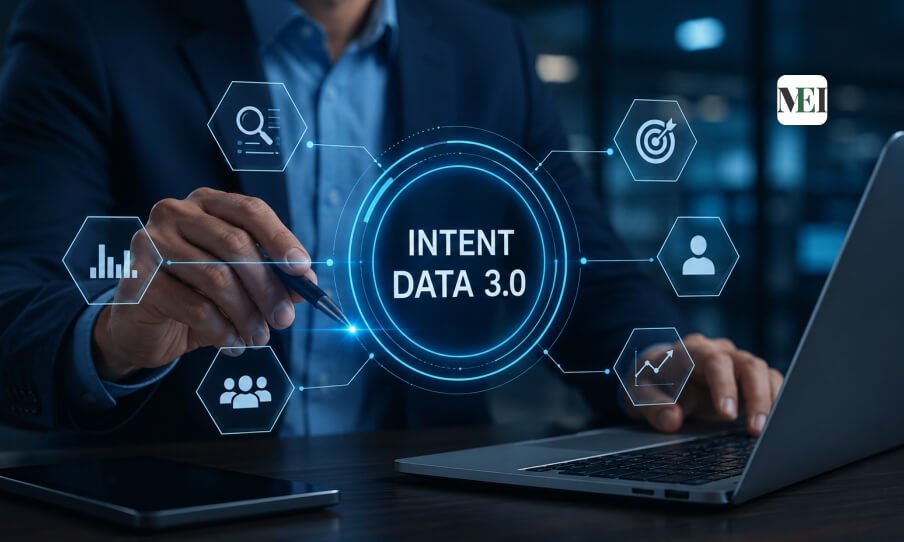
B2B growth is sort of entering a new phase now, as orgs move past the usual demographic segmentation and those static intent signals. Instead, they’re building intelligent systems that can understand not just what’s happening but behavior, context, timing, and how customer needs keep shifting.
Intent Data 3.0 is the name for this shift, bringing together artificial intelligence, behavioral intelligence, first-party data, contextual cues, and predictive analytics to give you a more dynamic read on buyer intent. It’s less about only saying “who might care” and more about figuring out what buyers are trying to do, where exactly they are in that decision journey, and which next action is likely to matter most.
As customer journeys become more tangled, companies need stronger ways to spot genuine buying signals. Prospects might browse without a name, bounce between several digital channels, consume kind-of-thought-leadership content, compare options, talk with sales teams, and then come back weeks later before committing.
Intent Data 3.0 ties these broken-apart signals together, so you can form a fuller picture of customer behavior and overall purchasing readiness.
Intent Data 3.0 Is Redefining Buyer Intelligence
Earlier generations of intent data mostly focused on spotting what people were consuming, where they clicked, keyword research, or showing account-level vibe. Even so, those signals still help a lot, but modern revenue teams, honestly, need a bit more context than that.
Intent Data 3.0 pulls together behavioral cues, contextual context, time-based factors, and predictive signals so you get a sharper read on which prospects may be ready. With AI in the mix, multiple indicators can be assessed simultaneously, and it can surface patterns that hint at a shift in buyer interest or maybe purchasing momentum starting to build.
So, the big change is not just from one-off intent signals to a kind of always-on buyer intelligence, sort of continuous awareness that keeps updating as things evolve.
AI Is Making Intent Data More Predictive
Artificial intelligence can handle huge amounts of behavioral data and, often, find patterns and connections that might be hard to spot by hand. Then machine learning models can look at engagement rhythms, how content is actually interacted with, website movement, account behavior, and historical results to pick out signals that seem tied to later buying activity.
Because of this, organizations can go beyond just watching what buyers have already done and start estimating what they might do next. Predictive intelligence can support sales and marketing teams in ranking accounts, identifying opportunities earlier, and using budget, manpower, and time more effectively.
In short, AI turns intent signals into predictions you can actually act on.
Behavioral Intelligence Adds Context
Intent without context can feel a bit misleading. Like, if a prospect lands on a pricing page, that might suggest some interest, but honestly, the importance of that move really depends on other behavioral signals too, and not just one click.
Behavioral intelligence looks at patterns across multiple moments, such as content consumption, engagement frequency, product research, website journeys, event participation, and even shifts in account activity. When these signals are reviewed together, organizations can distinguish the real buying signals from isolated, seemingly random actions.
And then context is what turns those separate behaviors into a much clearer picture of what the buyer actually wants.
First-Party Data Strengthens Intent Intelligence
As privacy expectations and data regulations keep changing, organizations are putting more focus on first-party data, and honestly, it’s not just a trend. Stuff gathered directly via websites, CRM systems, customer conversations, product usage, events, and owned digital channels can offer a really useful perspective into customer behavior, even when the answers are a bit messy.
And when organizations align first-party information with the right external signals, they can build more complete customer profiles while maintaining better control over data quality and governance. It helps the whole process stay steadier, more governed, and more reliable.
Basically, first-party intelligence makes a stronger groundwork for predictable growth.
Real-Time Signals Improve Revenue Responsiveness
Buyer intent can shift fast. Like, a prospect that looks inactive today might turn out to be really engaged tomorrow after some strategic, organizational, or market development, you know.
With Intent Data 3.0, revenue teams can monitor changes in behavioral signals and respond when meaningful shifts occur. Real-time or near real-time intelligence helps sales teams reach prospects closer to those active consideration moments, rather than relying solely on static account lists.
Timing can really decide whether an intent signal turns into a revenue opportunity.
Marketing Becomes More Relevant
Intent intelligence helps marketing teams sort of move past the whole “broad audience” thing. When they can see where an account sits in its decision journey, marketers can send content, run campaigns, and build experiences that fit what people are actually into right now and what they likely need next.
AI systems powered by this can also determine which subjects, messages, channels, and offers are most relevant to each audience segment. And that leads to marketing strategies that respond faster, rather than leaning so much on those very generic campaigns that everybody gets.
When engagement is relevant, it creates stronger opportunities for conversion.
Sales Teams Gain Better Prioritization
Sales teams often get stuck figuring out which accounts they should hit first, like, what actually deserves attention. Usual scoring models lean heavily on firmographic clues or on those preset engagement lines that everyone just accepts.
Modern intent intelligence can bring a bit more behavioral context into account prioritization. Instead of just guessing, sales teams can spot accounts with real movement in interest, see where things could be off, or identify potential risks. Then the outreach can feel more suitable and more on point, not just generic “welcome to our world” stuff.
With that better order of operations, sales teams can put time and effort where buying momentum is strongest, and not waste cycles waiting around.
Responsible Data Practices Build Trust
Greater reach into behavioral insight also means greater duty. In other words, organizations have to put in place clear governance for privacy, consent, data security, transparency, how long to keep things, and what counts as appropriate use.
Responsible Intent Data 3.0 approaches keep the focus on real business value while still aligning with customer expectations and regulatory obligations. With good governance in place, both the organization and the individuals whose data is used for smarter decisions are safeguarded.
Conclusion: Creating a More Predictable Growth Engine
The next generation of revenue growth will depend increasingly on how well companies can understand customer behavior with greater depth, context, and precision. Old-school intent signals are still handy, but AI plus behavioral intelligence is opening up opportunities to shift toward a continuous, predictive read of the whole buyer journey.
Intent Data 3.0 is basically the step where all that comes together, connecting behavioral signals with first-party data, contextual intelligence, artificial intelligence, and revenue operations into a sharper growth framework. If an organization can actually turn these signals into timely, relevant action, it will be in a stronger spot to choose the best opportunities, enhance customer engagement, and keep revenue outcomes steadier.
And honestly, the future of intent intelligence is not only about knowing who is interested. It’s more about understanding why that interest is showing up, noticing when buying momentum starts to shift, and giving revenue teams the intelligence to do something right when it matters—not too early and not too late.