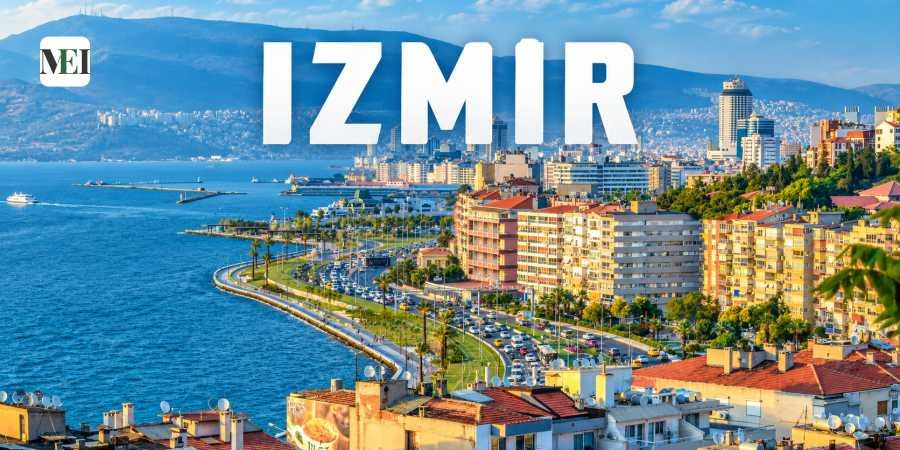
The first impression of İzmir often comes from the water. Ferries cross the bay, people gather along the waterfront as the sun begins to set, and cafés fill with residents enjoying the evening air. Yet the city’s appeal extends well beyond its seaside promenade. Behind the coastal views are historic bazaars, neighbourhood bakeries, ancient ruins, independent art spaces and everyday traditions that reveal how western Turkey’s largest coastal city has developed over centuries. Exploring İzmir, Turkey at a relaxed pace offers a chance to understand a destination where Aegean food culture, layered history and contemporary urban life exist side by side.
Known as Smyrna in antiquity, İzmir has been shaped by Greek, Roman, Byzantine and Ottoman influences, as well as centuries of maritime trade. Today, it is a major commercial and cultural centre with a distinctly Mediterranean rhythm. Visitors can spend the morning among historic market streets, discover archaeological remains in the afternoon and finish the day in a neighbourhood restaurant rather than following the waterfront from one end to the other.
Discover the Historic Streets of Kemeraltı
Kemeraltı Bazaar is one of the most rewarding places to experience the city’s everyday character. This extensive historic market district contains narrow lanes, small shops, workshops, cafés, traditional eateries and places of worship. Its atmosphere differs from the more polished waterfront areas, with much of the pleasure coming from watching daily commerce unfold.
The market developed over centuries around İzmir’s role as a trading port. Today, visitors can browse textiles, household goods, jewellery and local products while discovering courtyards and historic buildings tucked between commercial streets. Kızlarağası Han, a restored Ottoman-era caravanserai, is a particularly appealing place to pause for Turkish coffee or explore traditional crafts.
A visit to İzmir, Turkey feels more grounded when it includes time for these unplanned discoveries. Instead of treating the bazaar as a shopping stop, wander slowly, observe how vendors interact with regular customers and sample a local snack. The surrounding district also contains Hisar Mosque, one of the area’s significant historic landmarks, offering a glimpse of the architectural heritage woven into the market.
Explore the City’s Food Culture
İzmir’s food traditions reflect the ingredients and habits of the Aegean region. Olive oil, fresh herbs, vegetables, seafood and seasonal produce feature prominently, while street food provides an accessible introduction to local tastes. One of the city’s best-known snacks is boyoz, a flaky pastry commonly eaten at breakfast, often accompanied by a boiled egg and tea.
Another local favourite is kumru, a sandwich traditionally made with a sesame-coated bread roll and filled with cheese, tomato and other ingredients, with popular variations that include grilled meats. Visitors may also encounter gevrek, a sesame-covered bread ring similar to simit but prepared differently. These foods are part of ordinary daily routines, not simply dishes created for tourists.
Food is a practical way to understand İzmir, Turkey beyond its scenic reputation. Start with breakfast at a neighbourhood bakery, choose a small lokanta for lunch and look for seasonal dishes in the evening. Asking about the day’s specialities can lead to meals that reflect local availability rather than a standard tourist menu.
Visit Agora and Trace the City’s Ancient Past
İzmir’s modern streets stand above a much older urban landscape. The Ancient Agora of Smyrna, near the city centre, contains remains from the Roman period and offers a tangible connection to the city’s history. Archaeological features include columns, vaulted structures and remnants of the ancient marketplace, where civic and commercial activities once took place.
The site is especially interesting because it is integrated into the contemporary city rather than isolated in a remote archaeological park. Walking through the ruins and then returning to the surrounding streets creates a sense of how urban life has repeatedly adapted to changing political and economic circumstances.
Experience the Neighbourhood Character of Alsancak and Karşıyaka
Alsancak is known for its cafés, restaurants, independent shops and busy evening streets. Away from the waterfront, its side roads reveal older residential buildings, small businesses and places where residents meet after work. The Kordon promenade remains popular, but the surrounding streets provide a fuller picture of how the district functions beyond its coastal views.
Across the bay, Karşıyaka offers a different perspective. Ferries connect it with central İzmir, making the journey part of the experience. The district has shopping streets, cafés, neighbourhood markets and a strong local identity. Walking through its central areas can feel less oriented towards sightseeing and more connected to the ordinary rhythm of city life.
These neighbourhoods show why a longer stay in İzmir, Turkey can be more rewarding than a brief visit focused on major attractions. Spending an afternoon in one district allows time to discover local shops, take a break at a café and observe the differences between neighbourhoods without constantly travelling across the city.
Make Time for Museums and Contemporary Culture
İzmir’s cultural offerings extend beyond ancient ruins. The İzmir Archaeology Museum presents objects from the region’s long history, including sculptures and artefacts connected to ancient settlements. Nearby cultural institutions and exhibition spaces offer additional ways to understand the area’s archaeological and artistic heritage.
The city also has a lively contemporary scene, with theatres, music venues, independent galleries and cultural events taking place throughout the year. Programmes change seasonally, so checking current listings can reveal performances or exhibitions that may not appear in standard travel itineraries.
Visitors interested in architecture can also explore the historic buildings and commercial streets around the city centre. Different periods have left their mark on the urban landscape, from Ottoman-era structures to buildings associated with İzmir’s development as an international trading port. The result is a city whose history is visible not only in museums but also in the buildings people continue to use.
Take a Day Trip into the Aegean Landscape
The surrounding region offers another reason to stay longer. Urla, west of the city, is known for its vineyards, food businesses and relaxed coastal atmosphere. Depending on the season, visitors can explore local restaurants, discover regional wines or spend time in small settlements away from the metropolitan centre.
Çeşme and Alaçatı are also popular excursions, especially during warmer months. Çeşme offers beaches and a historic castle, while Alaçatı is known for stone houses, narrow streets and independent boutiques. Both can become busy during peak holiday periods, so travelling outside the busiest hours may provide a more comfortable experience.
These excursions broaden the picture of İzmir, Turkey, connecting the urban centre with the agricultural traditions, coastal settlements and tourism economies of the wider Aegean region. Travellers should check transport schedules and seasonal opening hours in advance, particularly if planning to visit several places in one day.
Getting Around and Travelling at a Comfortable Pace
İzmir has an extensive public transport network that includes the metro, suburban rail, trams, buses and ferries. The İzmirim Kart system is used for many journeys, although visitors should check current fares and payment rules before travelling. Ferries are particularly useful for crossing the bay, while rail services can help connect the centre with outlying areas.
Summer can bring high temperatures, making early mornings and late afternoons comfortable periods for walking. Spring and autumn often provide pleasant conditions for exploring markets and archaeological sites, although the weather can change. Comfortable shoes are useful around Kemeraltı and historic areas, where some streets are uneven or crowded.
İzmir, Turkey is best experienced through a mix of major sights and ordinary moments. The ancient Agora explains part of its history, Kemeraltı reveals its commercial traditions, and its bakeries, neighbourhood cafés and ferry routes show how the city lives today. The seaside promenade remains worth visiting, but the deeper experience comes from moving beyond it and allowing the city’s many layers to unfold at their own pace.